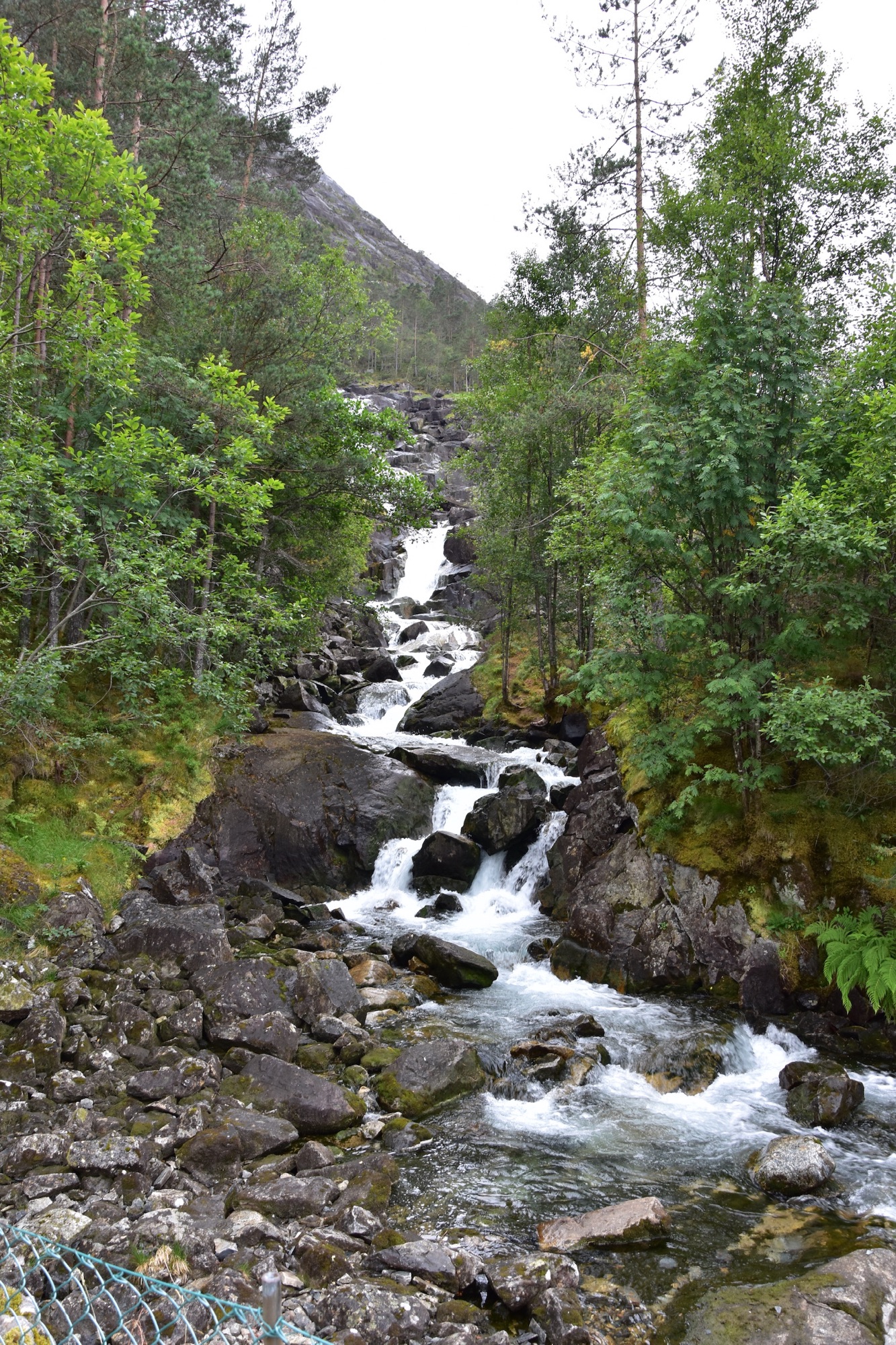
After 20 days on the road through Germany, Denmark, Norway and Sweden, our Scandinavian road trip has come to an end. We travelled thousands of kilometres in our Tesla, took the ferry from Hirtshals to Kristiansand, slept in a new place almost every two days and followed a route that took us from Norwegian fjords and waterfalls to Swedish forests and lakes, Stockholm, Copenhagen and eventually a lot of LEGO.
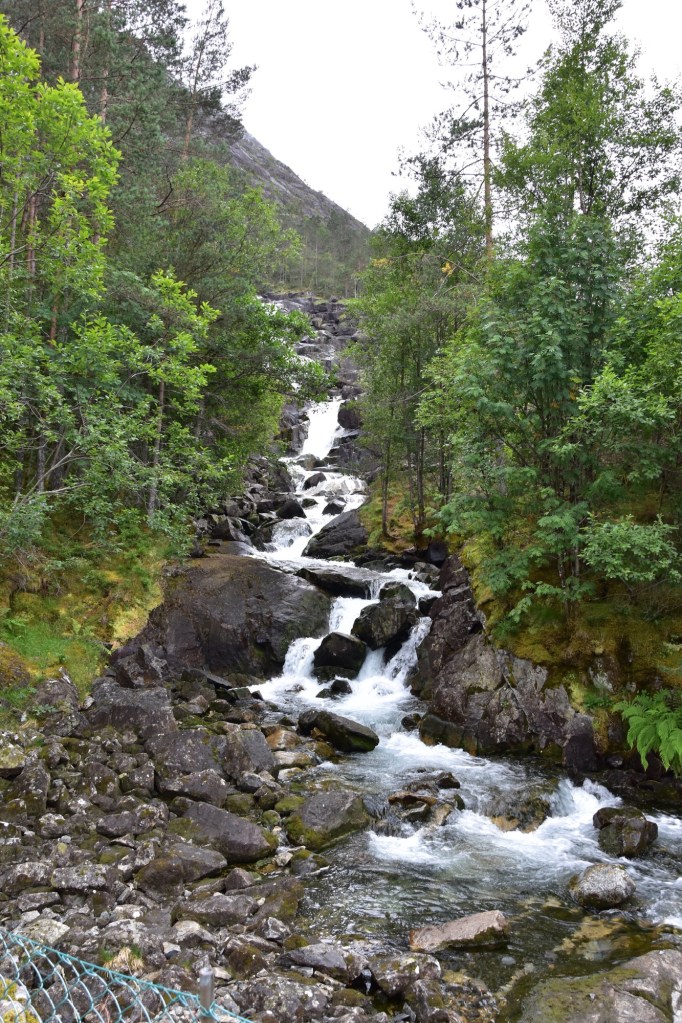
Langfoss, Norway
The idea behind the trip was quite simple: we wanted to experience Scandinavia. We wanted to see the cities, but certainly not only the cities. The fjords, lakes, forests, waterfalls and wildlife were at least as important. Lea and Rieke, aged six and eight, added their own requirements to the list. There had to be animals, opportunities to swim and enough fun things to do, while spending entire days in the car was definitely not acceptable. And there was one requirement that kept coming back throughout the trip: we had to see moose. Preferably lots of them.
Anyone who knows me probably won’t be surprised that I prepared quite a bit before we left. The accommodations were booked, the ferry was arranged and I had a good idea of what we could do around each location. At the same time, I deliberately didn’t want to create a fixed schedule for every day. We knew where we were going and what we wanted to experience, but there had to be enough room to change the plan along the way. With two children aged six and eight, anything else probably wouldn’t survive acceptance testing on day one anyway.
When the design meets reality
Our route looked great when we created it at home, but once we were actually on the road, reality naturally started making adjustments. The weather changed some of our plans, an accommodation in Norway wasn’t what we expected and sometimes an activity took much longer than planned because everyone was enjoying it. At other times, the feedback from the two stakeholders in the back of the Tesla was very clear: they had walked enough for the day and it was time for something else.
So we adapted. We left one accommodation earlier, changed activities because of the weather and sometimes chose a completely different road because we thought there might be a better chance of seeing wildlife. The destination remained roughly the same, but the route towards it changed as we travelled.
Somewhere along the way, I realised how familiar that actually felt. In my work at ITQ, we can spend a lot of time understanding requirements and creating a technical design. We discuss platforms, dependencies and possibilities and can create something that looks perfectly logical on a PowerPoint slide. Then that design meets reality. There is an existing infrastructure, investments that have already been made, available skills, budgets, licensing, operational requirements and dependencies between technologies. Sometimes a requirement that appeared perfectly clear at the start also turns out to mean something slightly different once you start asking more questions.
That doesn’t mean the original design was wrong. It simply means that the design is the start of the journey rather than the destination. A good design needs to give direction, but it also needs enough flexibility to deal with what you discover along the way.
Our search for moose became a surprisingly good example of this. We really wanted to see them in the wild, so on several occasions we deliberately ignored the fastest route suggested by navigation and chose smaller roads through forests instead. Some of those detours resulted in absolutely nothing apart from a longer drive, but eventually we did find moose in the wild. Later, at Smålandet in Sweden, Lea and Rieke got even closer, feeding them, seeing the calves and even touching a large moose bull.
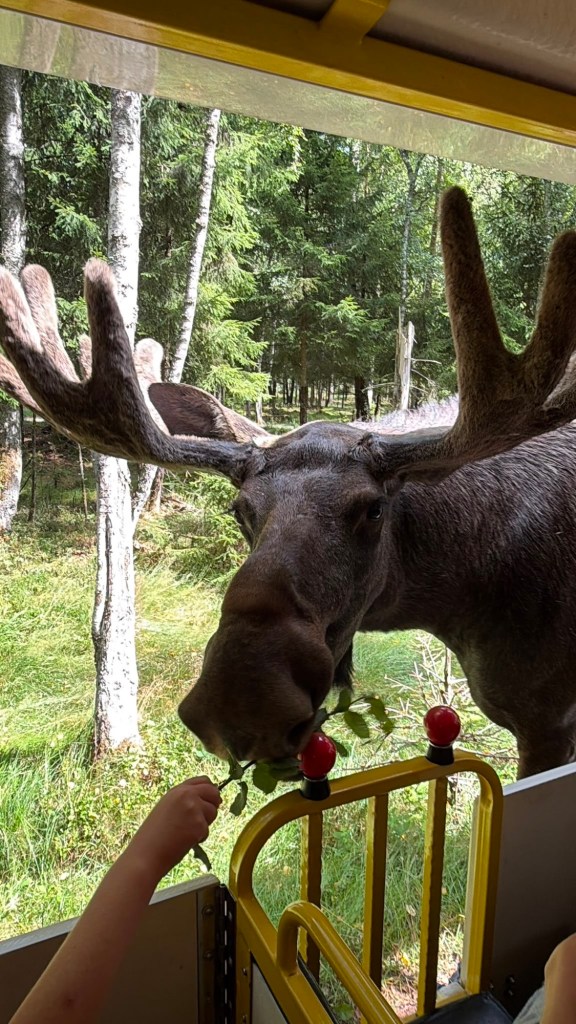
The navigation system had been right all along about the fastest route to our next accommodation. It just didn’t know that getting there as quickly as possible wasn’t our only objective. Technology decisions aren’t that different. There can be a technically obvious route from A to B, and a vendor can explain exactly why its technology is the fastest or most logical way to get there. But before deciding on the route, you first need to understand whether B is actually where the customer wants to end up.
Standing underneath the waterfall
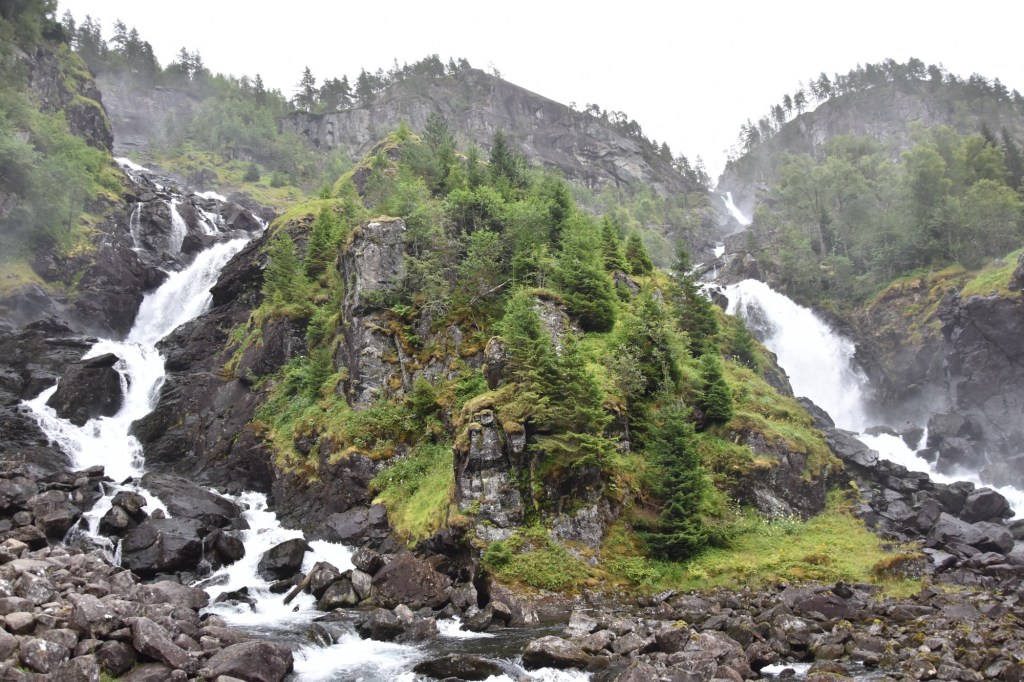
There is no shortage of water in Norway. During our journey we drove alongside lakes and fjords, crossed rivers and stopped at several impressive waterfalls. When you’re standing close to a Norwegian waterfall, you don’t really see the individual drops anymore. You mostly experience the enormous amount of water coming towards you at the same time.
At some point, that started to feel like a pretty good comparison with what many customers experience in IT today. They are standing underneath a waterfall of information. Every vendor has its own products, architecture, terminology, roadmap and licensing model. Every vendor has a vision of what a modern datacenter, cloud platform, data strategy or AI infrastructure should look like, and naturally every one of them has a convincing explanation of why their technology should be an important part of it.
Then add technology partners, analysts, conferences, webinars, blogs, social media and the rapidly increasing amount of AI-generated content. We probably have access to more technical information than ever before, but having more information doesn’t automatically result in better decisions. In fact, sometimes it does exactly the opposite. When you’re standing underneath the waterfall, determining which drops actually matter becomes increasingly difficult.
That is one of the parts of my work at ITQ that I enjoy most. I don’t think our value is in simply adding another stream to that waterfall. Customers already receive enough product presentations, feature comparisons and roadmaps. The interesting conversations happen when we start filtering the information and asking different questions. What are we actually trying to achieve? What is already there? What really needs to change? Which technologies fit together? Where do the strategies of different vendors complement each other and where do they conflict? Which decisions are important today, which ones can wait, and perhaps most importantly, what can we simply ignore?
Sometimes creating a better solution isn’t about adding another product or another layer. Sometimes removing complexity is much more valuable.
Infrastructure that simply works
Our Tesla provided another comparison during the trip. Before we left, several people asked whether travelling thousands of kilometres through Scandinavia with an electric car would be difficult because of charging. In reality, charging became one of the least interesting parts of the entire holiday, which is probably the biggest compliment I can give the infrastructure.
We drove until we needed to charge, plugged in, got something to drink or eat and continued. Especially in Scandinavia, the infrastructure was simply there when we needed it. It enabled the journey without becoming the journey.
That is also how I think good IT infrastructure should eventually feel. Customers don’t invest in storage because owning storage is their business objective, just as they don’t need compute simply because having servers is exciting. The technology is there because they need to run applications, protect and use their data, provide services, enable their users and create new possibilities for their organisation.
Our Tesla and the charging network were essential to the trip. Without them we couldn’t have travelled the route we did, but we certainly didn’t drive thousands of kilometres to experience charging stations. What mattered was what that infrastructure allowed us to experience at the other end of the road.
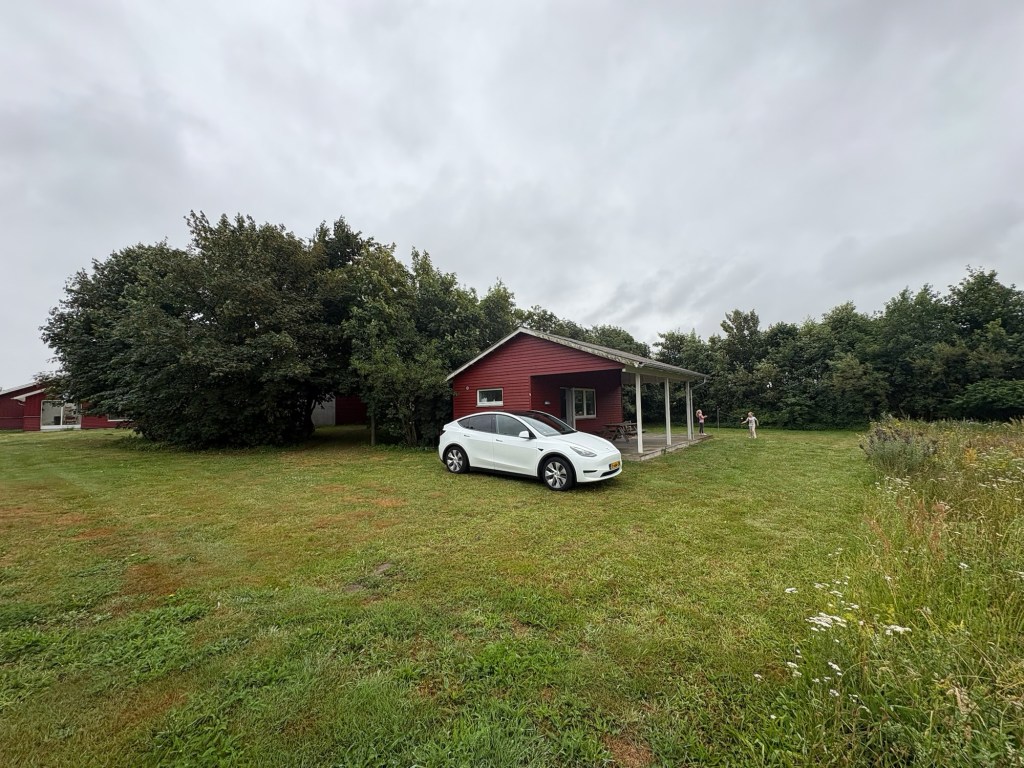
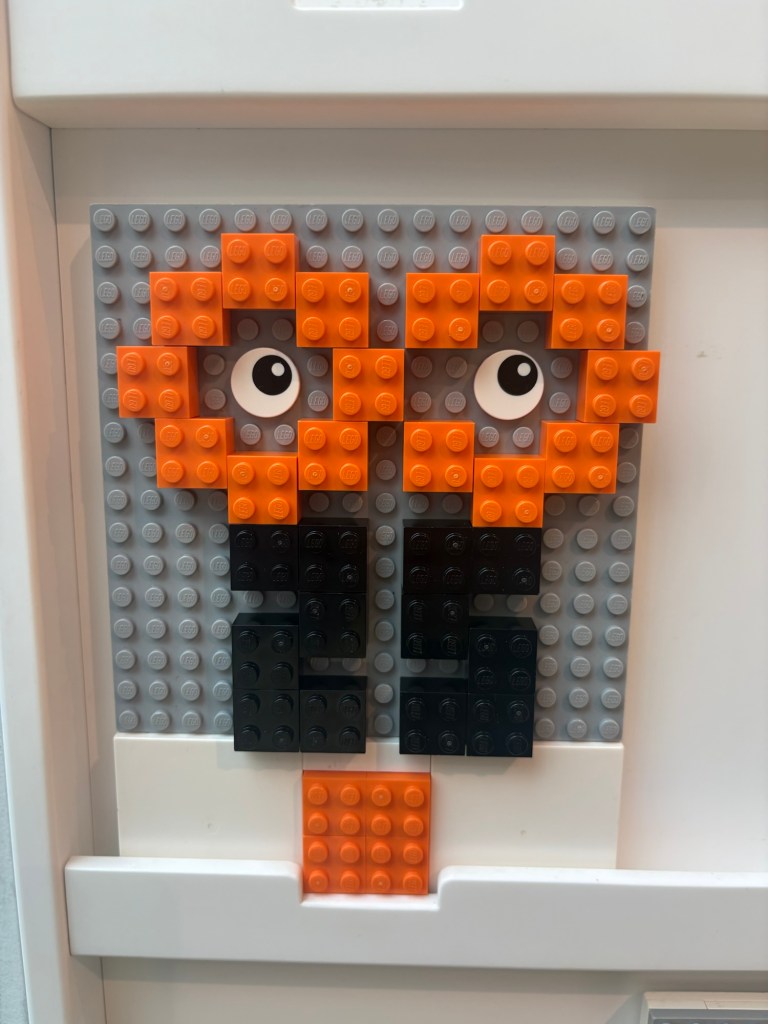
And there was plenty to experience. We kayaked on a Norwegian lake, travelled between fjords and waterfalls, visited a Viking farm and eventually found the moose we had been searching for. In Sweden we walked through forests, swam in lakes, took a rowing boat onto the water and spent time with my colleague Thom in Kullavik. We explored Stockholm and Gamla Stan, visited Skansen and had a roe deer suddenly appear in the garden. Further south, Lea and Rieke fed moose and wisents at Smålandet before we continued towards Denmark. Copenhagen gave us the Little Mermaid and Nyhavn, while LEGOLAND and LEGO House provided a completely different end to the Scandinavian part of our journey. Along the way, the girls also made new friends, and some of the simplest moments became the ones we’ll probably remember longest.
Some of those experiences had been planned months in advance, while others happened because we changed the plan, took another road or simply had enough time to stop. Without planning, we probably wouldn’t have experienced half of it. If we had followed the plan too strictly, however, we would have missed some of the best parts.
I think a good technology architecture should achieve much the same. You need enough structure to provide stability and direction, but also enough flexibility to deal with things you couldn’t predict when you created the design. An organisation isn’t going to stop changing simply because an architecture diagram has been approved.
Back to ITQ
After 20 days, we arrived home with a lot of great memories and an even larger number of photos that still need to be sorted. Monday also meant returning to work at ITQ. After a trip like this it would be easy to describe that as going back to reality, but that doesn’t really fit how I feel about it. I had a fantastic 20 days with my family and would happily drive north again, but I also genuinely enjoy the work I came back to.
Technology is moving incredibly fast. Infrastructure continues to change, cloud strategies develop, data is becoming even more important and AI is adding an entirely new set of questions to conversations that were already complex. Meanwhile, the waterfall of information from all the different vendors isn’t getting any smaller. That combination is exactly what makes the work interesting.
There is rarely one person who has all the answers, and I don’t think there should be. Customers understand their business, their environment, their constraints and what they need to achieve. Our technology partners bring deep product knowledge, roadmaps and new ideas. At ITQ, I work with colleagues who have a huge amount of technical knowledge and experience across different parts of the datacenter and cloud landscape. When you bring those perspectives together, you can have a very different conversation than when everyone approaches the challenge only from their own part of the technology stack.
For me, that’s where a large part of the fun is. It’s not about proving that one vendor is right or trying to fit the same architecture into every customer environment. It’s about getting the right people together, understanding what the customer is actually trying to accomplish and using our combined knowledge and experience to determine how we can get there. Sometimes the answer will be obvious, sometimes we’ll disagree and sometimes we’ll discover halfway through that the original route wasn’t the best one. That’s fine. Success isn’t measured by how closely we followed the first architecture diagram; it’s measured by whether what we eventually build actually helps the customer succeed.
After 20 days of navigating Scandinavia, I’m back to navigating those kinds of challenges again, and I’m looking forward to it. Working with colleagues, customers and technology partners, diving into new technology, asking questions, challenging assumptions and filtering some of that enormous waterfall of information into decisions and solutions that make sense.
Our Scandinavian road trip reminded me that having access to every possible route doesn’t make a journey successful. You need to understand where you want to go, choose a route that can change when reality requires it, have infrastructure you can depend on and, perhaps most importantly, have the right people along for the journey.
Where do you want to go next?
Our Scandinavian journey has finished, but the next journeys with our customers have already started.
If you’re looking at your own IT landscape and wondering which direction to take next, let’s have a conversation. Maybe you’re trying to make sense of new infrastructure options, reviewing your cloud strategy, looking at what AI means for your environment, or simply trying to find your way through the waterfall of information coming from different vendors.
You don’t need another presentation telling you that one technology is the answer to everything. Sometimes it is much more useful to put the different options on the table, challenge a few assumptions and work out what actually makes sense for your organisation.
That’s exactly the kind of conversation I enjoy having together with my colleagues at ITQ.
So, where do you want to go next? Let’s find the right route together.
 Dive Virtual
Leave a comment